
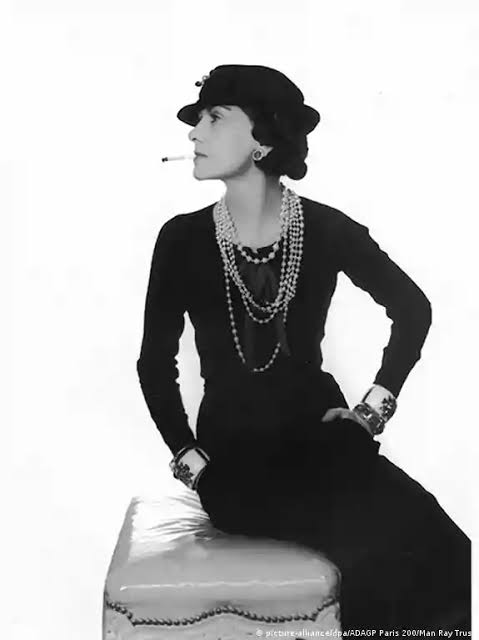
Long before it became a timeless fashion staple, the black dress was not always considered part of women’s fashion. Instead, black clothing was mainly reserved for periods of grief. However, this perception changed in 1926, when Coco Chanel changed the way the garment was viewed. Vogue featured one of her designs, catapulting the little black dress into popularity. Its appeal lies in its affordability, practicality, and versatility, given how it could be styled in so many ways.
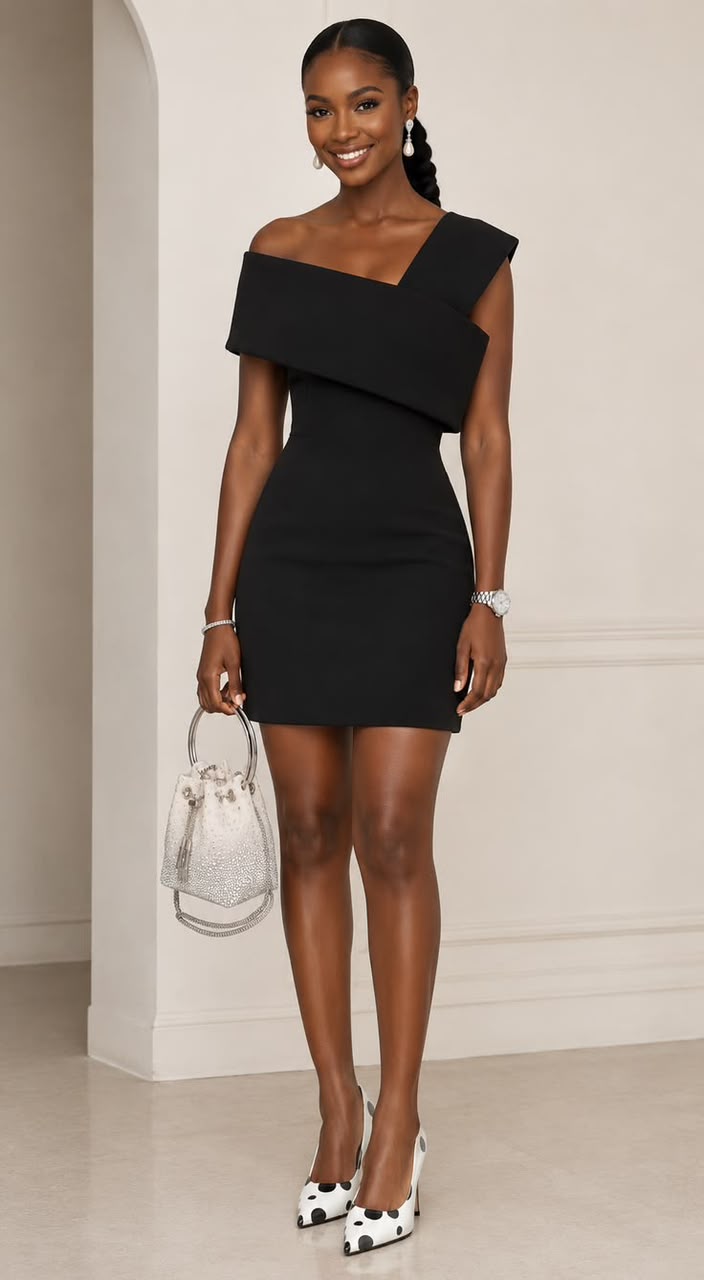
Over the decades, its silhouette, length and overall aesthetic have evolved alongside changing fashion trends. From Coco Chanel’s knee length revolutionary designs in the nineteens to the iconic red-carpet appearances that we continue to see even in today’s fashion, the little black dress has proven that some styles never truly go out of fashion.
But what makes this seemingly simple piece of clothing so relevant? And why does it continue to be regarded as a wardrobe essential?
Origin of The Little Black Dress
Long before it became an iconic fashion staple, the black dress was not traditionally associated with women’s fashion. Instead, black clothing was largely reserved for mourning. This perception changed in 1926, when Coco Chanel revolutionized how it was viewed. A Vogue magazine cover featuring one of her designs helped catapult the little black dress into popularity. Its appeal lay in its affordability, practicality, and versatility, as it could be styled in countless ways to suit different occasions.
How it has Evolved Over the Decades
1926: Coco Chanel introduced her now-famous knee-length black dress in American Vogue. It was called the “Ford” of fashion, it represented simplicity, affordability and versatility.
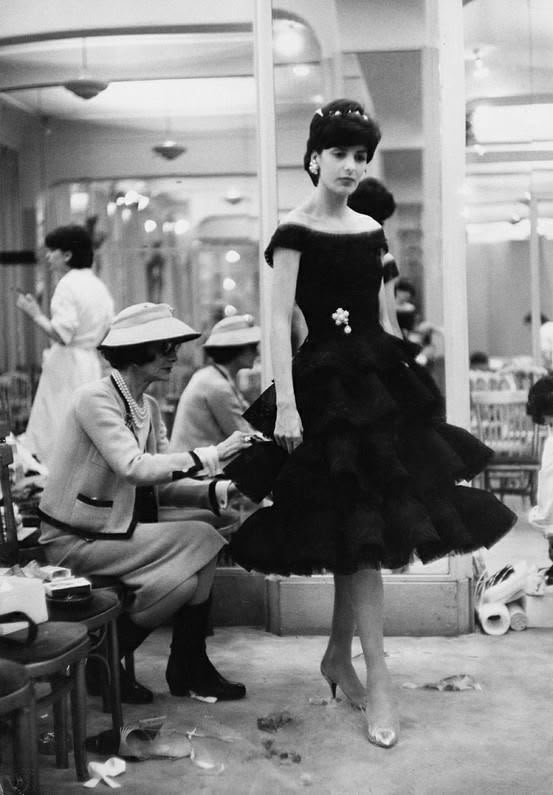
1930s: During the Great Depression, the little black dress maintained its popularity, partly due to its practicality and Hollywood’s growing influence. Its simplicity also made it suitable for black-and-white films, where colours could be distracting.
1950s: In the post-war era, the dress took on a more seductive image, becoming associated with the femme fatale in Hollywood films. Black halter-neck styles and fitted silhouettes became more prominent during this era.
1960s: Younger women embraced shorter versions of the dress, reflecting the decade’s changing youth culture and growing interest in more daring styles.
1970s: The little black dress adapted to the decade’s changing fashion landscape, appearing in more relaxed silhouettes. This era reflected the disco atmosphere of this decade.
1980s: It found a place in corporate fashion, with structured silhouettes and tailored designs making it a popular choice for workwear.
1990s: Minimalism brought renewed attention to the little black dress, with simple, understated designs becoming particularly fashionable.
2000s: The dress continued to evolve through celebrity fashion, red-carpet appearances and contemporary designer interpretations, further cementing its place as a wardrobe staple.
Today: The little black dress remains a universal fashion staple, continually reinvented through changing trends, silhouettes and personal styles.
Styling for Every Ocassion
Over the years, the little black dress has evolved beyond being a piece reserved for a particular occasion. Its versatility makes it suitable for almost any setting, whether you’re dressing for a casual day out, a work event or an evening occasion. The secret lies in how you style it.
Everyday and Casual
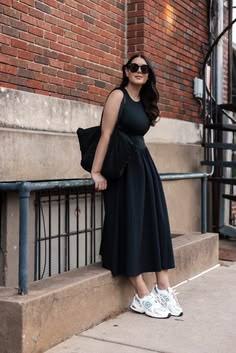
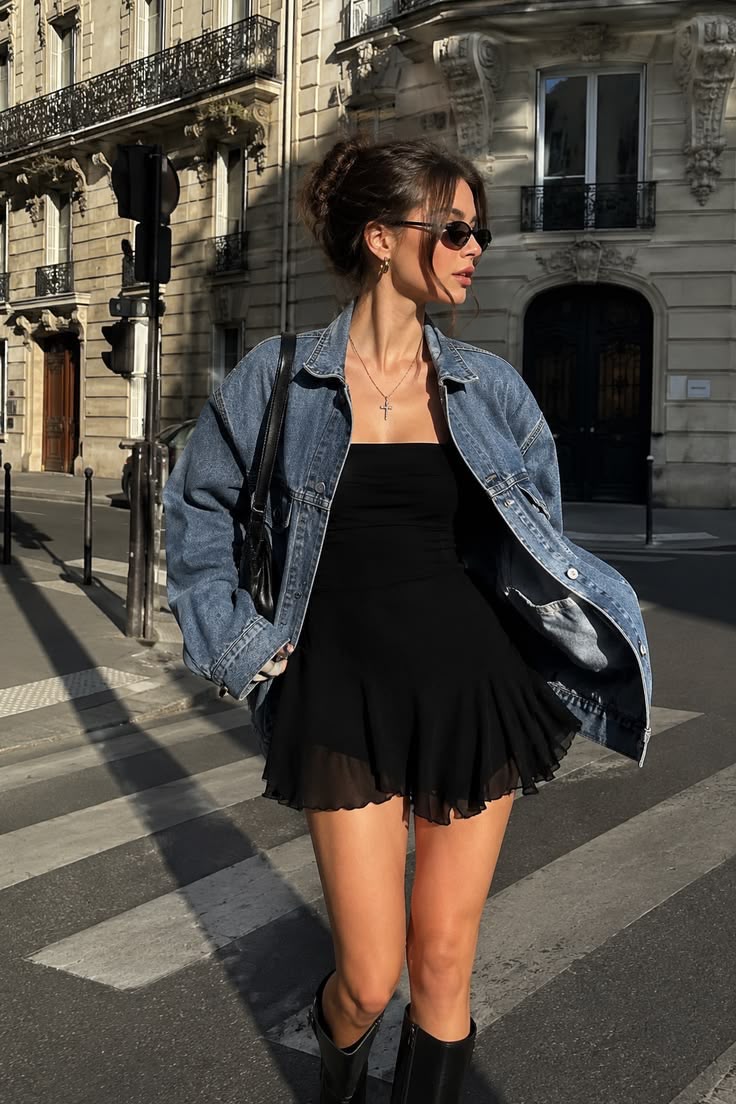
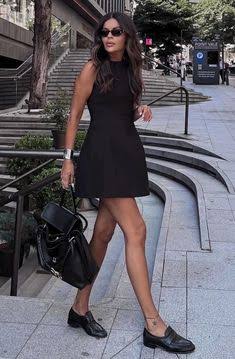
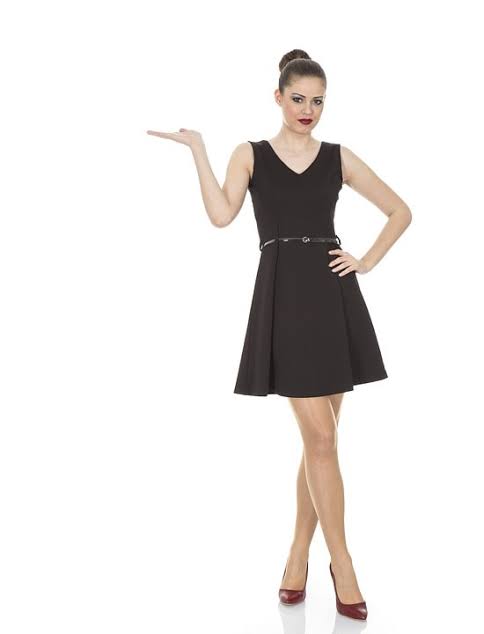
For a relaxed, everyday look, pair your little black dress with white sneakers, flat sandals or chunky loafers. You can also throw on a denim jacket for an extra layer. If you’d like to define your waist, add a simple, slim belt to complete the look.
Work and Daytime Events
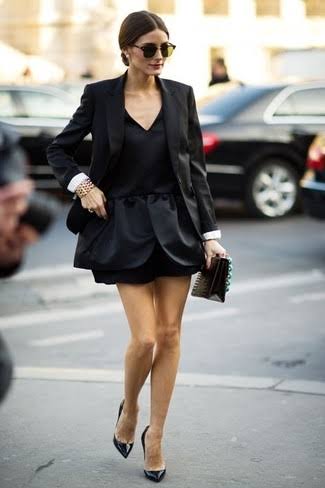
For work or daytime events, you can make the dress look more polished by layering it with a blazer or a light jacket. Pair it with flats or pumps for a more sophisticated finish. For accessories, keep things minimal. Small gold hoop earrings and simple jewellery will complement the dress without taking away from its simplicity.
Evening and Nights Out
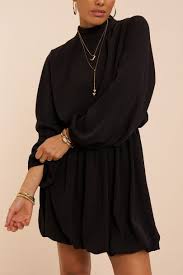
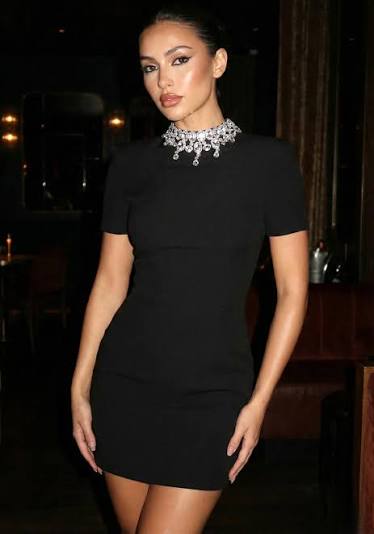
For an evening look, elevate your little black dress with elegant strappy heels or sleek open-toe shoes. Gold statement jewelry can add a touch of glamour, while a clutch bag completes the outfit. If you want to break up the all-black look, experiment with textures by adding a patterned scarf around your neck. It’s a simple way to introduce contrast while giving the outfit a richer, more interesting finish.
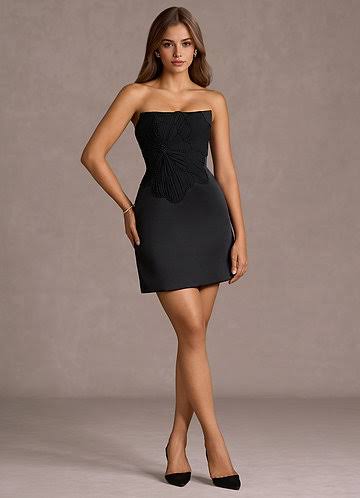
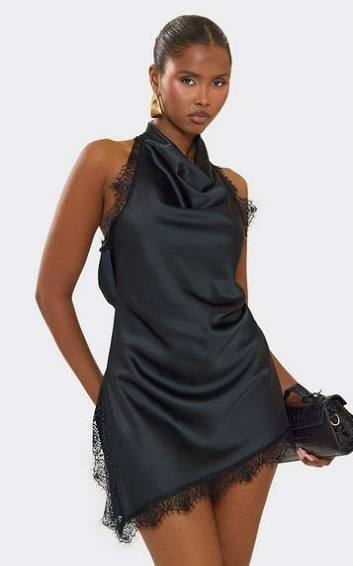
Choosing The Right Dress for Your Body Type
While personal style should be based on comfort and preference, certain dress silhouette can help accentuate your shape and highlight your best features. Understanding your body type can therefore serve as a usual guide when choosing the little black dress. However, these recommendations are not rule because the best dress is one that makes you feel comfortable and beautiful.
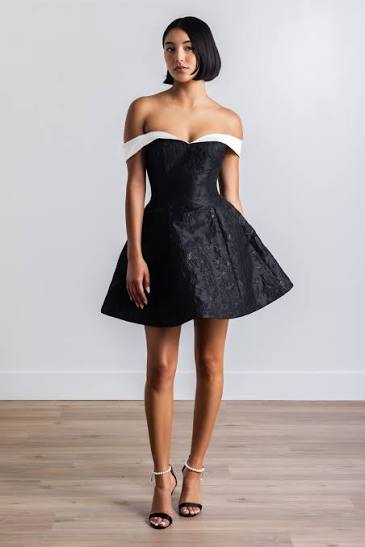
- Pear Shape: A pear-shaped figure typically has wider hips and thighs, with narrower shoulders and a smaller upper body. Recommended styles: A-line dresses, dresses with embellished necklines, and off-the-shoulder little black dresses. These styles can draw attention to the upper body while creating a balanced silhouette.
- Apple Shape: An apple-shaped figure typically carries more fullness around the midsection and bust, with slimmer hips and legs. Recommended styles: V-neck dresses, A-line dresses and shift dresses. These styles create a more relaxed silhouette without clinging too closely to the waist.
- Hourglass Shape :An hourglass figure typically has balanced shoulders and hips, with a clearly defined waist. Recommended styles: Fitted dresses, belted dresses and wrap dresses. These styles highlight the waist and follow the body’s natural curves.
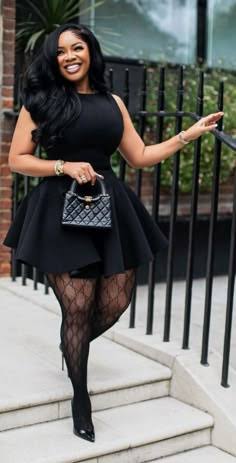
- Inverted Triangle Shape: An inverted triangle figure typically has broader shoulders and a fuller upper body, with narrower hips. Recommended styles: A-line dresses, pleated dresses and dresses with fuller skirts. These styles add volume to the lower body and help create a more balanced silhouette.
Little Black Dresses We Love at the Moment
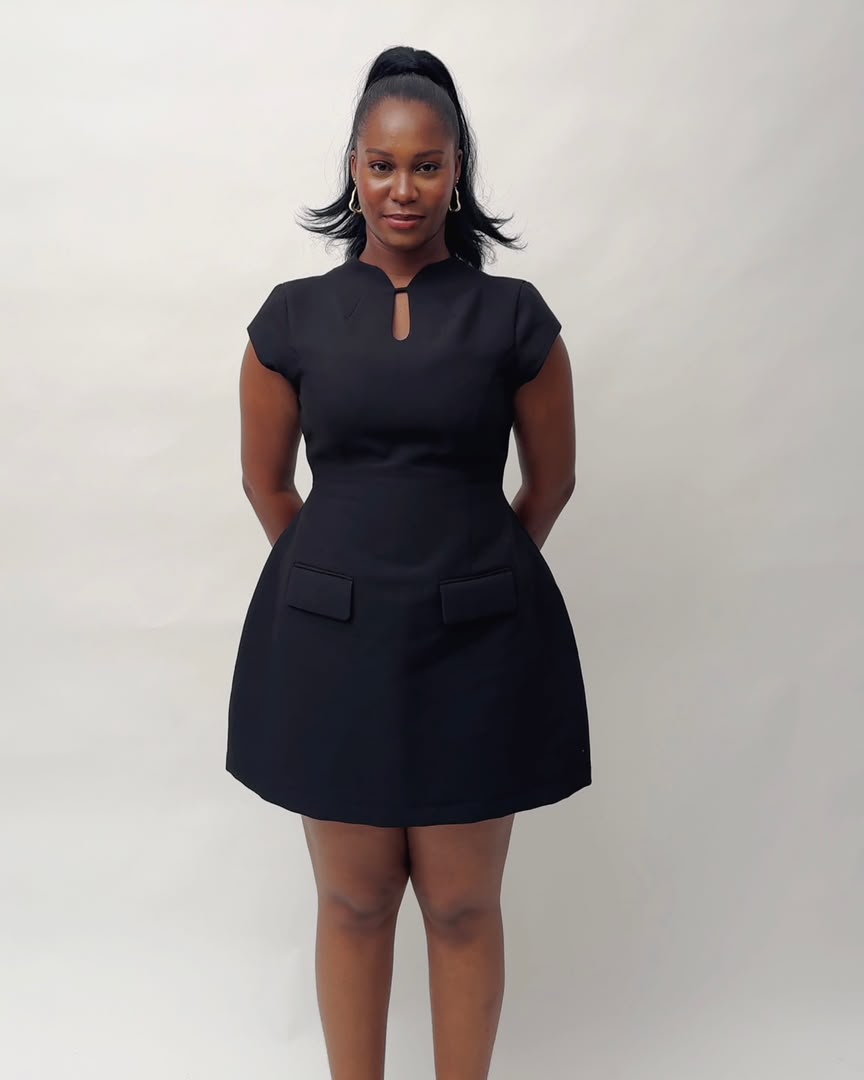
- Shopnandra
This structured black mini dress from Shopnandra is a must-have in your wardrobe. The short cap sleeves and flared A-line skirt make it perfect for every body type, especially inverted triangles. This dress currently retails for seventy-two thousand naira(N72,000)
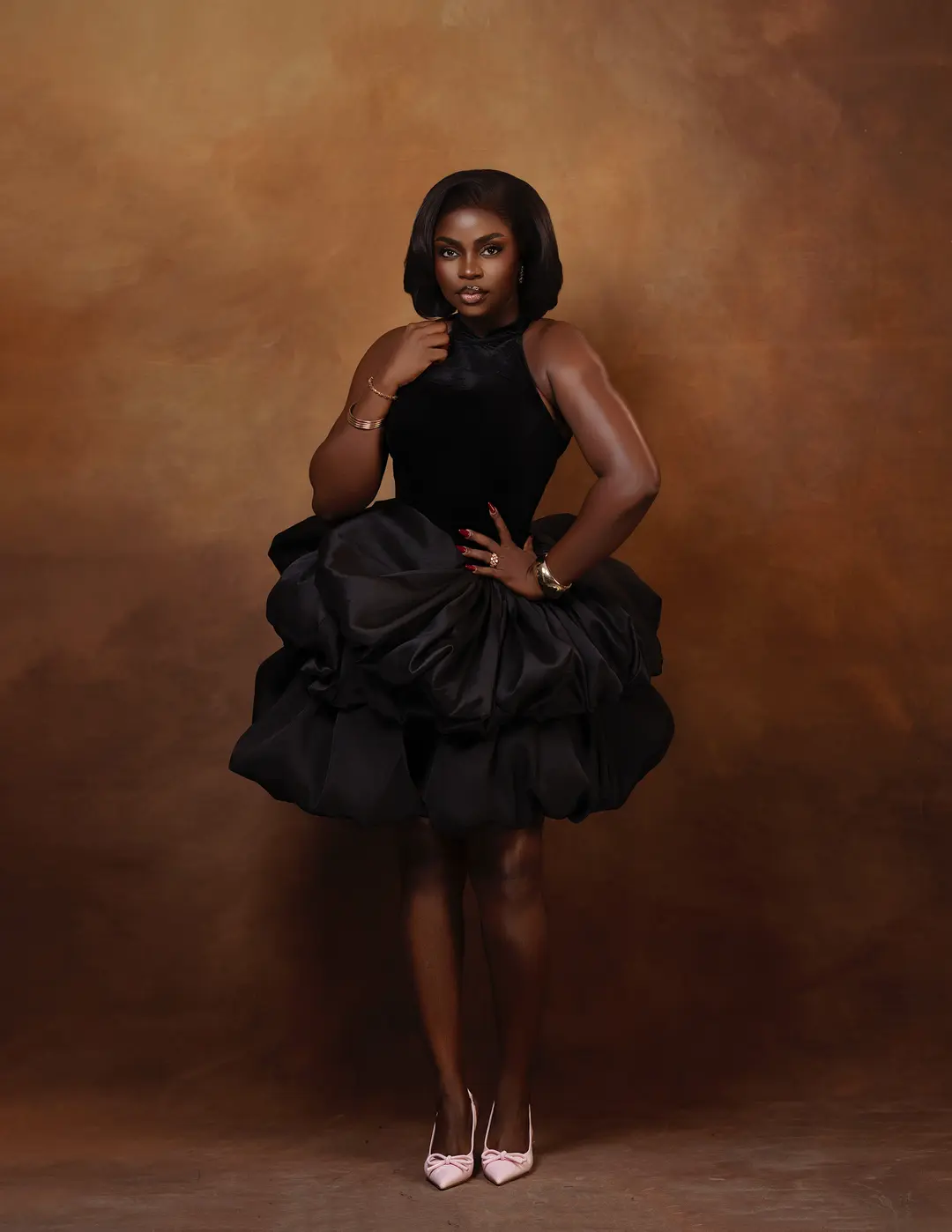
2. The Prudent Gabriel
This striking evening dress by Prudent Gabriel is a must have in your wardrobe. The silhouette creates an elegant statement making look. It features a sleeveless, high-neck fitted bodice that accentuates the upper body giving this timeless glamorous appeal. It currently retails for two hundred and fifty thousand naira (N250,000)
3. Bwasty
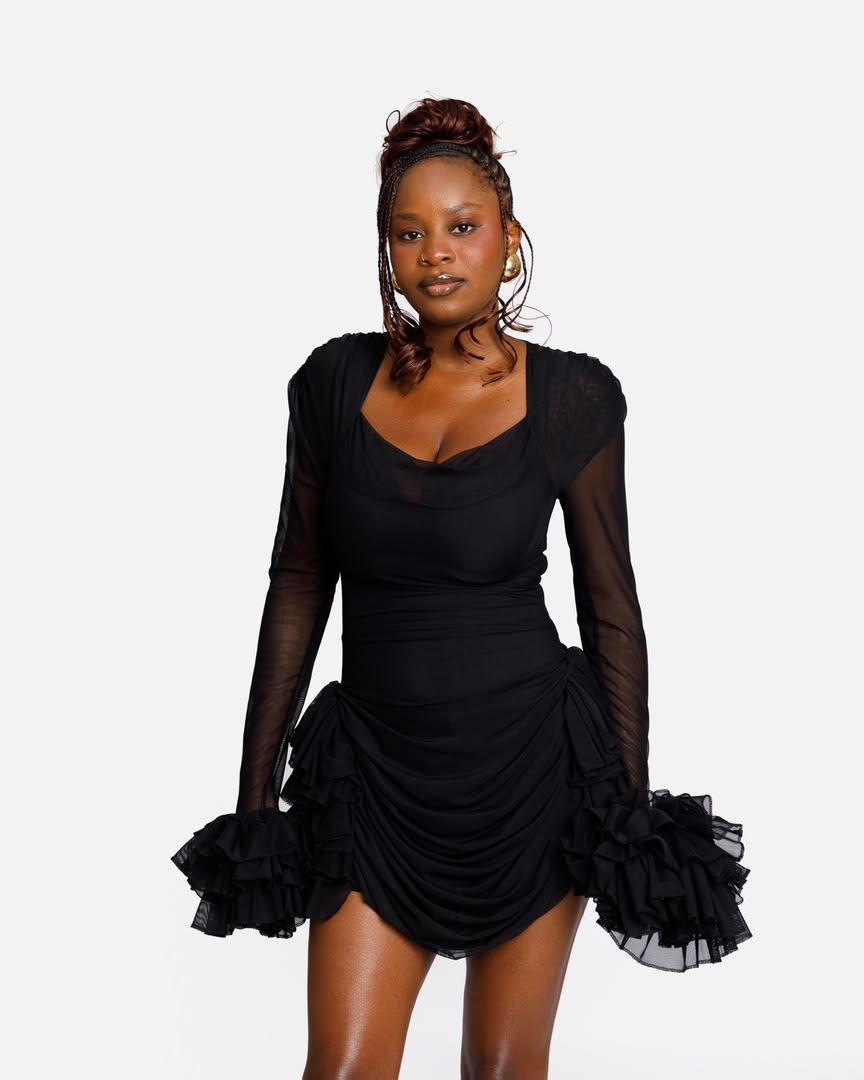
This lightweight chiffon mini dress from bwasty features a gathered skirt and layered ruffled sleeves. Its short, flowy silhouette gives it a playful, feminine feel, making it a lovely choice for casual outings and daytime occasions. This outfit retails for sixty thousand Naira(N60,000)



Start the conversation